Add Row
Add Element
cropper
update
RemodelWorx
cropper
update
Add Element
  • Homepage
  • Subscribe
  • Contact Us
  • Barn build
  • FAQ - Frequently Asked Questions
  • RemodelWorx Updates
  • General Contractor
Add Element
  • update
  • update
  • update
  • update
  • update
  • update
  • update
  • All Posts
  • Custom Home Build
  • new home builds
  • remodel
  • construction
  • Concrete
  • Project Management
  • Kitchen Remodel
  • Bathroom Remodel
  • Deck Build
  • Barn build
  • FAQ - Frequently Asked Questions
  • RemodelWorx Updates
  • General Contractor
1 Minute Read

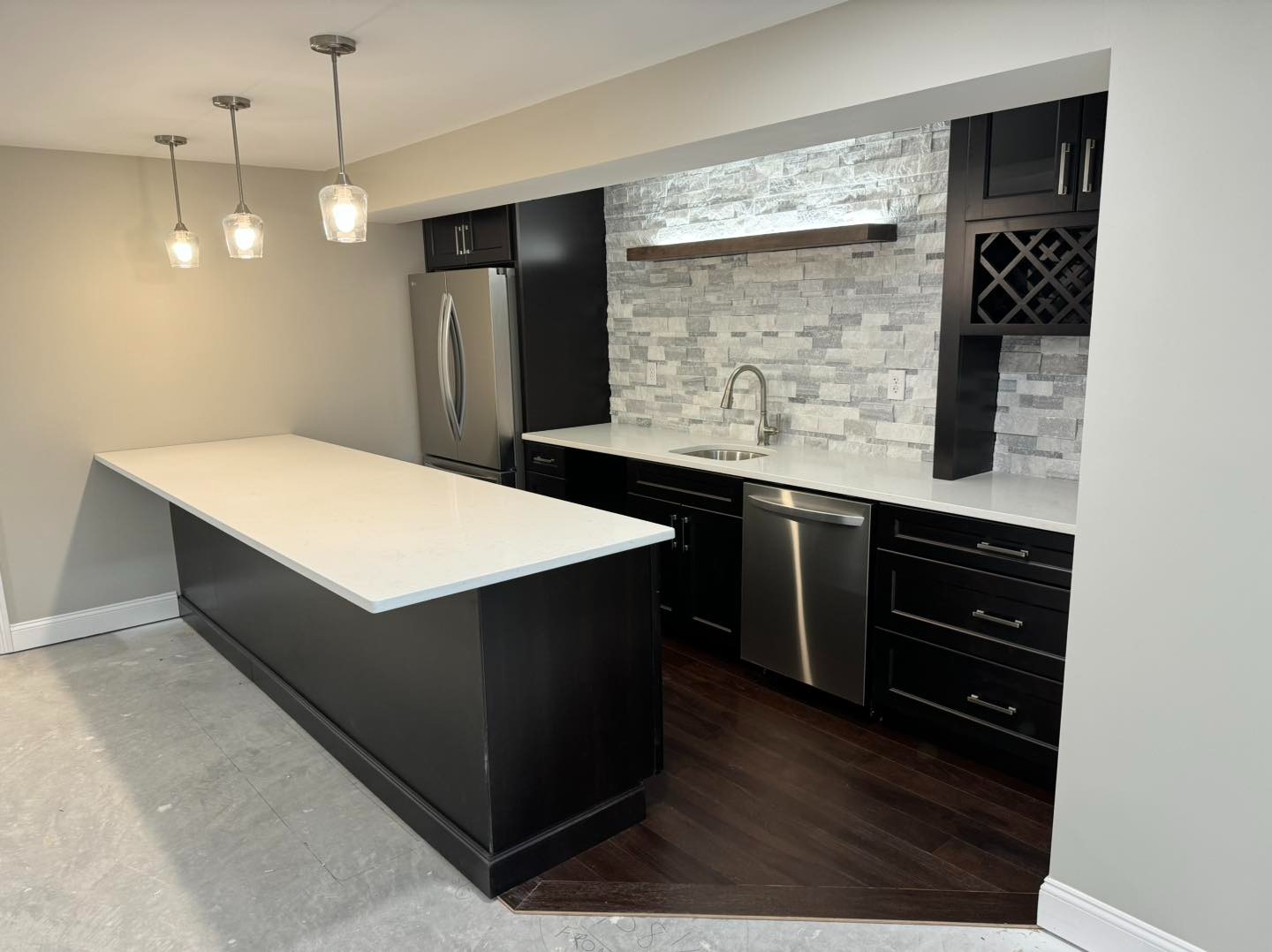
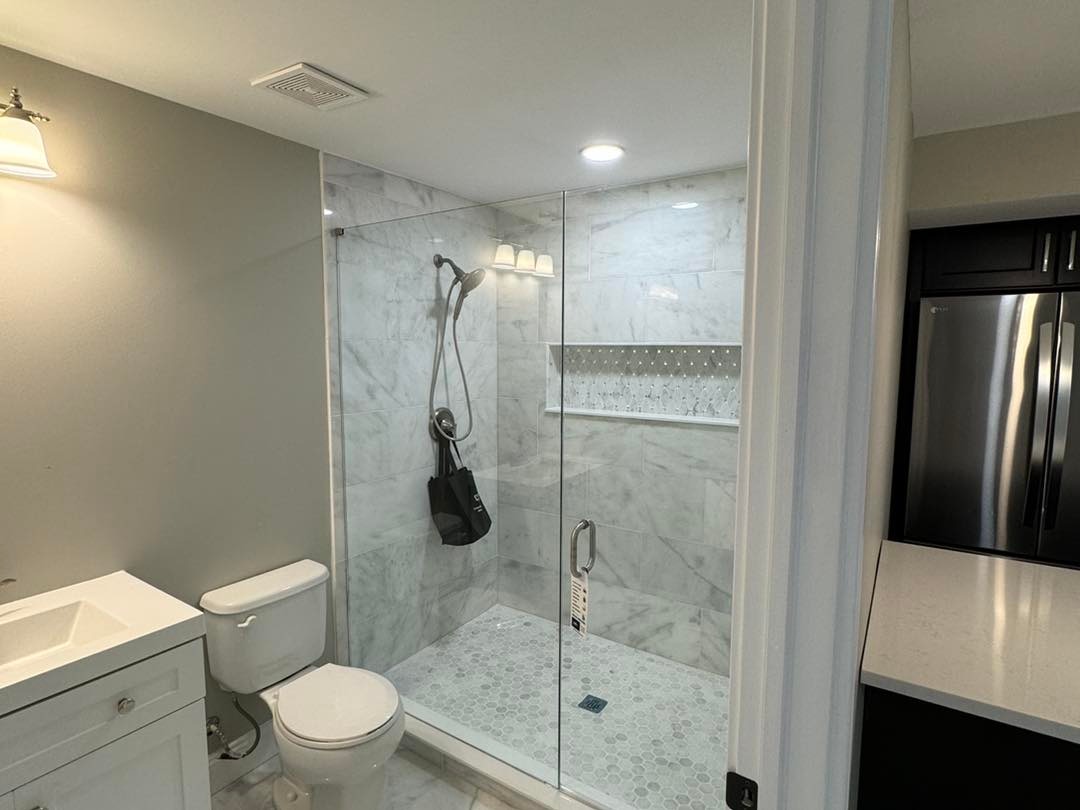
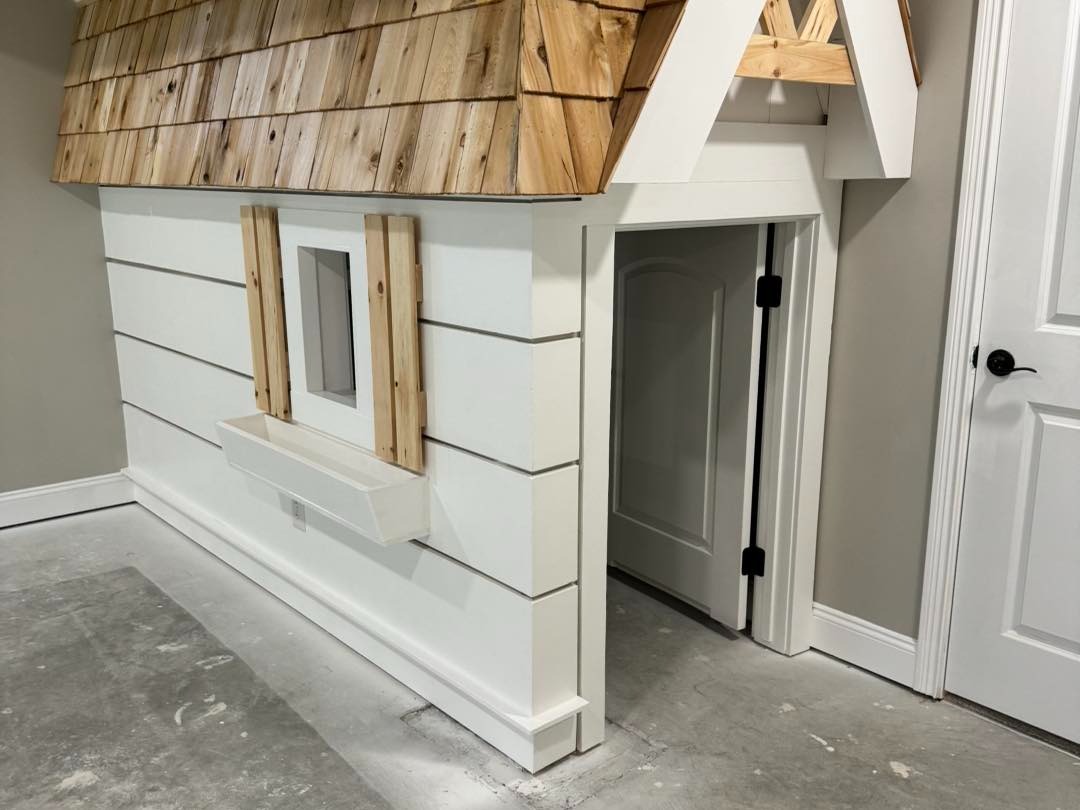
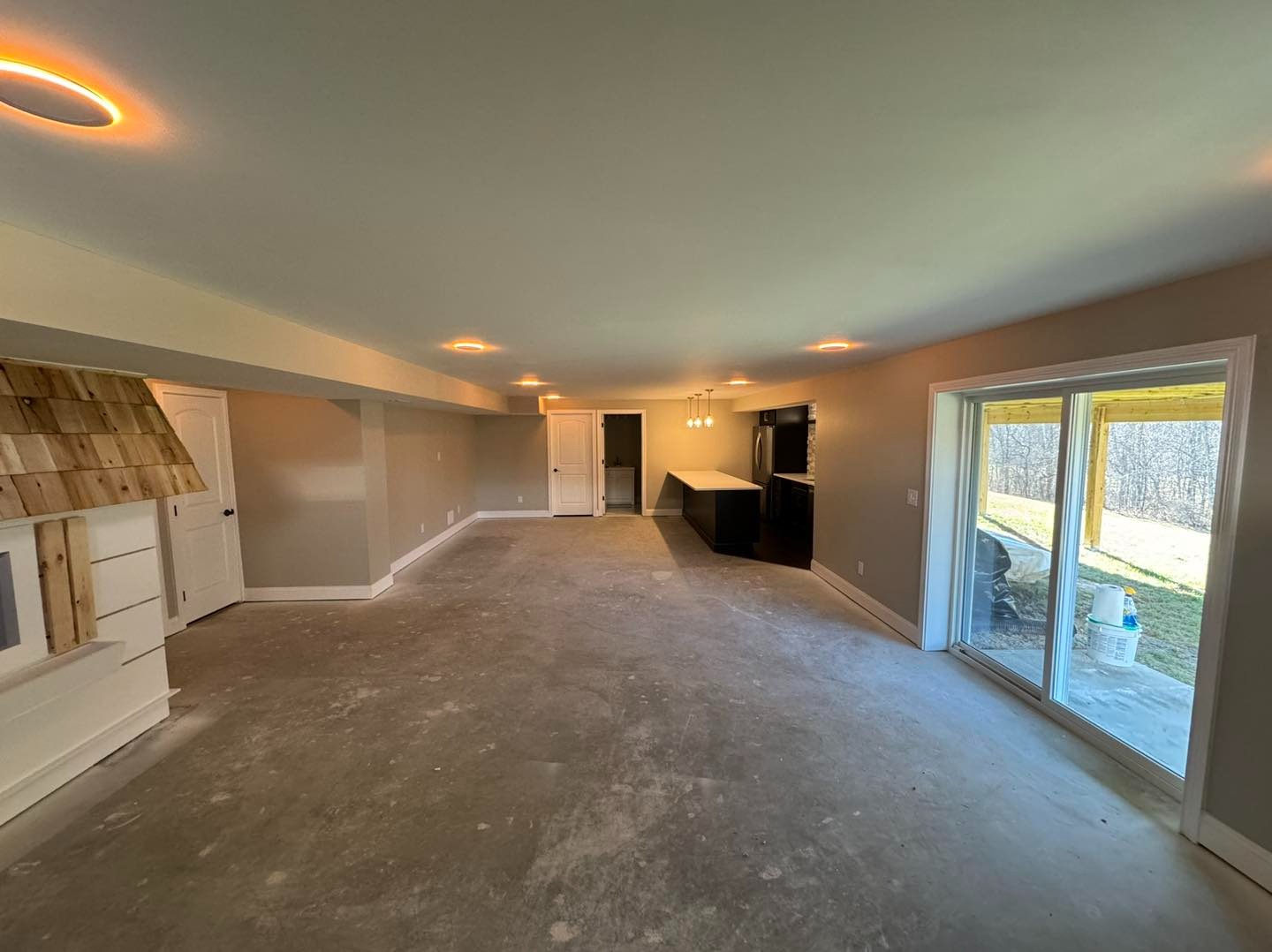
Latest basement remodel including Kitchen, bathroom and even a playhouse!

What an awesome basement finish! Kitchen, bathroom and even a playhouse!

Turned out fantastic and even better than what the customers had expected! 

Huge huge thank you to the Rosic Family in Union, Ky for allowing us to come in and transform the looks of your new downstairs living space!!

We appreciate the opportunity, as well as the new friendships made! 

Thanks again! 

#basement #basementremodeling #remodeling #betterbasement #unionky #florenceky #tileshop #tileshower  

kitchen basement remodel

kitchen bathroom remodel

playhouse basement remodel


32 Views

0 Comments

Write A Comment

*
*
Related Posts All Posts
02.16.2026

What is a General Contractor?

Did you know? Nearly 80% of large construction projects depend on general contractors for successful completion. The general contractor shapes the outcome and efficiency of nearly every major build you see—whether it’s a high-rise in an urban skyline or your neighbor’s new kitchen remodel. If you’re planning construction work, thinking of entering the construction industry, or simply want to understand who holds the reigns behind a bustling job site, uncovering the role of the general contractor is your essential first step. This guide breaks down definitions, duties, and key distinctions—arming you with the expert knowledge needed to navigate any construction project. Unveiling the Role of the General Contractor: A Statistical Perspective The term general contractor isn’t just another title in the construction industry—it’s an indispensable role responsible for overseeing every facet of a construction project from start to finish. According to recent construction news, around 80% of all major construction work runs through general contractors, highlighting their critical role in project delivery for both clients and the project team. Whether it’s a commercial general contractor managing a multi-million-dollar office tower or a residential general contractor facilitating a complex home remodel, these professionals act as the linchpin between property owners, subcontractors, suppliers, and regulatory agencies. What sets general contractors apart is their ability to coordinate massive teams, ensure compliance with local states’ licensing requirements, and deliver on time—all while troubleshooting unexpected challenges on the job site. In many states, regulations require general contractor licensing, ensuring each project meets definite standards of safety and quality. This guarantees that every construction project, from foundation to finishing, benefits from expert oversight. Stats reinforce this: projects managed by certified general contractors are more likely to hit deadlines, stay within budget, and experience fewer costly setbacks. This reliance highlights why property owners and construction companies often require general contractor oversight for any significant construction work. Surprising Facts About General Contractors Many states require general contractor licensing—even for small-scale residential work. A general contractor can be an individual or a business entity—sometimes a single person, other times an entire firm. General contractors not only manage the job site but also act as the main contact for all stakeholders—from property owners to the design team and subcontractors. "Nearly 80% of large construction projects depend on general contractors for successful completion." What You'll Learn About General Contractors The fundamental definition of a general contractor The differences between residential and commercial general contractors The licensing requirements and regulations for general contractors Key responsibilities and typical job site duties How general contractors manage construction work and subcontractors The step-by-step process of hiring a general contractor Insights into earning potential and business opportunities Defining a General Contractor: Core Responsibilities and Functions General Contractor: Meaning and Scope A general contractor is a construction professional or company hired by the property owner or project owner to oversee and manage all phases of a construction project. Their job is to ensure the project moves smoothly—from initial site visit and planning with the design team to managing construction work, budgets, schedules, and eventual project handover. The scope of work varies: some general contractors take on new commercial builds—acting as the central point for the project team—while others may focus on residential jobs like a home remodel or renovation. The meaning of a general contractor goes beyond project administration. They’re responsible for overseeing subcontractors (like plumbers, electricians, and carpenters), acquiring materials, securing permits, and ensuring the build follows local regulations. This central presence ensures every job site is well-coordinated. Importantly, most states require general contractor licensing, demonstrating technical know-how and compliance with safety and building codes. Whether for a massive commercial development or small-scale home upgrades, the general contractor leads the project from concept to completion. Typical Job Site Duties for General Contractors Every day on the job site, general contractors wear many hats. Their routine involves more than just supervising construction work. Among their key responsibilities are leading team meetings, coordinating with the project owner and the design team, overseeing subcontractor schedules, and resolving unforeseen issues that can impact project delivery. They regularly conduct site visits to monitor progress and adherence to the project blueprint. Additionally, general contractors are tasked with managing budgets and ensuring compliance with legal requirements such as building permits and inspections. Their responsibilities don’t end with construction work—they’re answerable for safety protocols, quality control, and final walkthroughs with clients. In essence, general contractors direct all moving parts on the job site, ensuring every trade and supplier is synchronized for on-schedule, on-budget completion. General Contractors Versus Construction Managers While both general contractors and construction managers oversee construction projects, their roles differ significantly. A general contractor is typically hired once plans are finalized, and is contractually bound to deliver the project from start to finish. They may bid on jobs and assume legal responsibility for all work on the job site, hiring subcontractors and suppliers directly. On the other hand, construction managers are often engaged earlier, sometimes during the design stage. They act as consultants for the project owner, advising through the planning, design, and construction phases. While construction managers may not hire subcontractors directly, they manage coordination among the entire project team (including the general contractor), focusing on cost efficiency, quality, and schedule adherence. Understanding the distinction helps property owners choose the right professional for their specific construction work. "A general contractor is the orchestra conductor of your construction project, ensuring every note (task) is played on time and in harmony." Types of General Contractors: Commercial vs. Residential Commercial General Contractor: Key Areas of Focus Commercial general contractors specialize in managing large-scale projects such as office complexes, retail spaces, schools, hospitals, and industrial sites. Their expertise covers intricate planning, compliance with commercial codes, coordination with architects, and working with corporate project owners and stakeholders. The scale of these projects demands advanced project management skills, technical construction knowledge, and the ability to oversee multiple crews and suppliers on a single job site. Commercial projects often involve tight timelines, higher budgets, and a greater level of regulatory scrutiny. These specialists are well-versed in complex schedules and logistical challenges, allowing them to deliver multi-phase construction work efficiently. Many commercial general contractors also maintain in-house design teams or preferred business partners, ensuring seamless communication and minimizing errors. Given the scale, states require many additional licensing requirements for commercial contractor work, adding an additional level of assurance for the project owner. Residential General Contractor: Managing Home Construction Work Residential general contractors focus on projects like new home builds, remodels, additions, and sometimes smaller repairs. Their typical job site is someone’s private home or a small multifamily building. These contractors are highly skilled in managing multiple trades and construction activities that directly impact a property owner’s everyday life. From helping select materials to working closely with homeowners and inspectors, residential general contractors ensure every step satisfies the client’s needs and meets local building codes. A residential general contractor is especially valuable for those undertaking a home remodel or custom build for the first time. They handle project scheduling, obtain permits, coordinate the work of various subcontractors (like electricians or plumbers), and communicate changes or issues with the property owner throughout the process. This person or team becomes the client’s main contact, guiding the project from initial planning through move-in. For many states, licensing requirements for residential contractors are specific, requiring background checks, exams, and proof of insurance to protect the homeowner. The Path to Becoming a General Contractor General Contractor License: Overview and Importance Obtaining a general contractor license is essential in most states and is often a legal prerequisite for anyone wishing to oversee construction work as a business. The license demonstrates a contractor’s technical competency, knowledge of local building codes, and a commitment to operating ethically. In the construction industry, holding a license not only legitimizes one’s business but also inspires confidence in potential clients and business partners. Many states require general contractors to pass exams, verify work experience, and provide proof of insurance before issuance. The process for getting a general contractor license can vary. In some regions, applicants must show proof of experience overseeing projects of a certain value or complexity. In others, licenses are classified based on the type of work (residential, commercial, or specialty trades). The bottom line? In almost every instance, a general contractor license is vital to perform contractor work legally and to assure project owners of reliability and professionalism. Licensing Requirements Across Different States Licensing requirements for general contractors differ widely across the U. S. Some states require general contractor licenses for both residential and commercial projects, while others mandate separate classifications. For example, California and Florida have robust exams and background checks, while Texas leaves licensing largely up to local municipalities. It’s crucial for project owners to verify that any general contractor they hire meets state and municipal regulations. Hiring a licensed general contractor protects the project by ensuring they understand vital safety standards, labor laws, and insurance requirements. Many states also require continuing education or renewal of licenses, so consumers can be confident contractors stay up to date with construction news and methods. Comparison of Licensing Requirements by State State Residential License Required? Commercial License Required? Exam Insurance Proof California Yes Yes Yes Yes Texas Varies by city Varies by city Varies Usually New York Yes (in NYC) Yes (in NYC) Yes Yes Florida Yes Yes Yes Yes Ohio No Yes Yes (commercial only) Yes Key Skills and Qualities of Successful General Contractors Project management expertise Strong communication skills Technical construction knowledge Problem-solving abilities To excel as a general contractor, one must demonstrate remarkable project management expertise—balancing scheduling, budgeting, and people management simultaneously. Communication skills are indispensable: every job site involves daily interaction with the project team, design professionals, property owners, and municipal inspectors. Additionally, technical construction knowledge enables the contractor to spot potential issues, recommend solutions, and adapt quickly as work progresses. Lastly, general contractors need outstanding problem-solving abilities. Construction projects rarely go exactly as planned; weather events, supply chain delays, and on-the-fly design changes all require calm, strategic responses. This leads successful general contractors to be both proactive planners and reactive troubleshooters—traits highly valued in the construction industry and by every project owner. Managing a Construction Work Site: General Contractor Approach Coordinating Subcontractors and Suppliers On an active job site, a general contractor's core strength lies in coordinating subcontractors and suppliers. They orchestrate a well-timed schedule—making sure plumbers, electricians, and carpenters don’t overlap or stall progress. Supplier relationships are just as critical; delays in material delivery can impact project delivery for weeks. General contractors must leverage experience and negotiation to ensure every component arrives on time and every trade is ready for the next stage of work. Successful general contractors foster robust communication and teamwork among diverse groups—turning many moving pieces into a synchronized construction symphony. When issues arise, from missing supplies to conflicting schedules, it’s the contractor who finds solutions quickly and keeps the job site running smoothly. This is one reason why both residential and commercial projects almost always rely on their centralized oversight. Ensuring Safety and Quality on the Job Site Safety and quality go hand-in-hand with a general contractor’s daily responsibilities. Every job site must comply with rigorous safety regulations to protect workers, visitors, and future occupants. This means regular inspections, mandatory safety meetings, and enforcing the use of personal protective equipment (PPE). A reputable general contractor will also ensure that subcontractors fully adhere to these safety measures, minimizing liability and boosting overall efficiency. Beyond safety, quality assurance starts with detailed planning and is maintained through vigilant site inspections and punch lists. The general contractor is ultimately responsible for the finished product—meaning any issues with workmanship or materials reflect on their reputation. By emphasizing quality at every stage, contractors ensure client satisfaction and reduce the risk of costly callbacks after project completion. Hiring a General Contractor: Step-by-Step Guide Researching local general contractors Evaluating credentials and contractor licenses Conducting interviews and comparing bids Verifying insurance and compliance Hiring the right general contractor is a process that combines diligent research and clear communication. Start by seeking recommendations from friends or colleagues, and using trusted directories to assemble a list of local general contractors. Review their credentials, focusing on valid licenses and insurance to ensure legal compliance—many states require general contractors to carry liability, workers’ compensation, and other forms of coverage. Arrange interviews with the most promising candidates, allowing you to discuss your project, assess their experience with similar work, and get a sense for their communication style. Always ask for references and recent job site photos, and follow up on both. Finally, compare bids—not only in terms of total cost, but also for clarity, scope, and contingencies. Choosing a contractor who is transparent about project delivery and willing to provide a detailed contract will protect you throughout construction work. Understanding Costs: How General Contractors Make Money Revenue Streams and Business Models A general contractor earns money through various revenue streams. Most commonly, they include a markup or management fee on top of the cost of labor and materials, which compensates them for administration, coordination, and risk management. Some may charge fixed fees or lump-sum contracts for the entire project from start to finish, while others use cost-plus models where the project owner pays direct costs plus a negotiated fee. General contractors may also provide specialized services such as design-build project delivery—combining architectural design and construction management under one contract. Additional income can come from self-performing certain trades or offering maintenance after project completion. The right business model depends on project size and complexity, but in all cases, transparency with clients about costs is a hallmark of reputation and success. "Transparency about project costs is one hallmark of a reputable general contractor." Pros and Cons: Being Your Own General Contractor Potential savings vs. increased risks Time investment and stress levels Quality control considerations Some property owners consider acting as their own general contractor, hoping to save on management fees. If you have previous construction experience and time to invest, this approach can indeed cut costs. However, it comes with significant risks: without a professional contractor, you’ll need to juggle permits, hiring, scheduling, and troubleshooting yourself – and mistakes can be very expensive. Stress levels can skyrocket when unforeseen issues arise (as they almost always do on a job site), and quality control becomes your full responsibility. Missing out on established relationships with trusted subcontractors or misunderstanding local building codes can lead to delays, extra expenses, or even legal issues. For most, hiring a licensed general contractor protects both the investment and the peace of mind of a construction project from start to finish. People Also Ask About General Contractors What is the meaning of a general contractor? A general contractor is a licensed professional or company hired to manage all aspects of a construction project. They oversee job site coordination, subcontractor management, budgeting, scheduling, and ensure compliance with safety and building codes. Acting as the central figure on any construction work, they provide expertise from project start through to final delivery. Do general contractors make money? Yes, general contractors earn money through management fees, markups on materials and labor, and sometimes by self-performing construction work. Their income reflects the risk and complexity they shoulder on each project. Well-run companies can be highly profitable, especially when handling large commercial jobs or specialty project delivery models. What is the job of the contractor? The job of the contractor is to supervise and coordinate all phases of a building project. Tasks include hiring subcontractors, procuring materials, obtaining permits, scheduling work, administering safety protocols, and communicating progress to the project owner. Ultimate responsibility for the quality and timeliness of construction work rests with the general contractor. Is it worth it to be your own GC? Acting as your own general contractor may save on fees, but it significantly increases your workload and risk. Unless you have strong construction knowledge and available time, it’s generally advisable to hire a professional. Doing so can ensure your project meets code, stays on budget, and maintains high quality from start to finish. Overview of a general contractor's day: A short, engaging video following a general contractor managing a busy construction site, attending meetings, coordinating with team members and stakeholders, and overseeing project progress. Includes drone shots of site overview, time-lapse of building progress, and clips of subcontractor coordination. Frequently Asked Questions About General Contractors How long does it take to become a licensed general contractor? Typically 2-5 years, depending on state requirements and previous experience. Some states require documented work history, education, and passing a licensing exam. What insurance does a general contractor need? General contractors usually need general liability, workers’ compensation, and in many cases, builder’s risk and bonding insurance. State and project type dictate exact requirements. How do I find reputable general contractors near me? Start with referrals, check local directories, and verify credentials with state licensing agencies. Online reviews and recent job site photos can also confirm quality and reliability. Are commercial general contractors more qualified than residential general contractors? Commercial general contractors often handle larger, more complex jobs with greater regulatory hurdles, but both types must meet licensing requirements. The right choice depends on your project’s scope. Key Takeaways: What is a General Contractor General contractors oversee diverse construction projects, serving both commercial and residential sectors. Licensing requirements vary by location but are critical for legal compliance. Strong management skills, attention to safety, and transparent communication are essential. Explore Your Next Steps with a Trusted General Contractor Ready to start your next project? Call us at 859-444-6680 or visit remodelworxky. com for expert general contractor guidance. "Ready to start your next project? Call us at 859-444-6680 or visit remodelworxky.com for expert general contractor guidance."

01.20.2026

Struggling with new custom home from floor plans? Here's Help

Did you know that over 65% of homeowners feel overwhelmed when moving from floor plans to a move-in ready new custom home? If you’re experiencing stress, confusion, or second thoughts about your home plans, you are not alone—transitioning from design concepts to a tangible dream home can challenge even the most prepared families. But rest assured: this comprehensive guide arms you with the insights, steps, and resources you need to bring your vision to life confidently.Why Building a New Custom Home from Floor Plans Can Feel Overwhelming"According to a recent survey, over 65% of homeowners feel overwhelmed when navigating the transition from floor plans to move-in ready custom homes."Building a new custom home from floor plans isn’t just a matter of picking a design and waiting for your keys. It involves a maze of decisions that affect every corner of your future home—from plan styles and house design features to permits, budget, and the timeline for home building. Homeowners are asked to weigh technical details, balance their dreams with real-life limitations, and predict their needs for years into the future. Whether it’s understanding the difference between a foundation plan and a roof plan, interpreting builders’ blueprints, or choosing the perfect house plan style, the pressure can be enormous. Add on the variety of options for home plans, the challenge of finding trustworthy experts, and the risk of costly mistakes, and it’s no wonder that many find themselves stuck or second-guessing.Even with the rise of plans online and customizable home plan options, many people still struggle to translate their vision into reality. The process can be emotionally taxing and time-consuming, as every decision, from custom features to layout changes, has a domino effect on comfort, budget, and future value. Without a clear road map and the right guidance, your dream home project can start to feel more like a burden. This guide is designed to simplify that journey, offering expert-backed advice to help you move from ideas on paper to the doorstep of your completed new custom home.What You’ll Learn About Creating a New Custom Home from Floor PlansEssential steps to turn floor plan concepts into your dream homeHow to choose the best house plan and home designThe differences between house plans, floor plans, and home plansKeys to working with the most reputable home builders and designersAnswers to common home building and design FAQsUnderstanding the Basics: Floor Plans, House Plans, and Home Plans ExplainedBefore starting your new custom home from floor plans, understanding the difference between floor plans, house plans, and home plans is crucial. A floor plan is typically a to-scale illustration designed to show the room layout, wall arrangement, and flow of a single building level. House plans expand on this by including architectural details, elevations, roof plans, foundation plans, and structural features, ensuring your builder understands exactly how to construct your dream home. Home plans, on the other hand, often encompass a broader package that covers everything from design concepts and material lists to mechanical layouts, sometimes including landscaping or interior design recommendations.This distinction is vital because each plan type plays a unique role in creating your future space. While floor plans focus on livability and movement, house plans translate those ideas into buildable instructions, and home plans tie everything together for the full home building journey. Choosing—and knowing how to read—each type of plan will not only speed up decision-making, but it’ll help prevent costly mistakes as your project progresses. The following table offers a clear side-by-side comparison of these core plan types to help you find the perfect starting point for your new custom home.Plan TypeDefinitionWhat’s IncludedUsageFloor PlanScaled drawing of a home's layout, showing room arrangement and flow on one levelRooms, doors, windows, walls, basic measurementsChoose layouts, plan furniture, visualize living spaceHouse PlanConstruction-ready set of blueprints to build your homeFloor plans, elevations, foundation plan, roof plan, material listPermits, contractor bidding, home building processHome PlanComprehensive package covering design to finishing touchesHouse plans, 3D renderings, interior details, landscaping, custom featuresFull-scope project management, custom home plan personalizationThe Step-by-Step Process: Bringing Your New Custom Home from Floor Plans to LifeSelecting a House Plan or Home Plan that Matches Your LifestyleThe first step in transforming your floor plan dreams into a completed custom house plan is finding a design that truly fits your family’s needs. Start by considering how you currently live and what improvements are must-haves for your dream home. Do you need extra bedrooms for a growing family? Would a flexible workspace or open-concept kitchen add significant value to your daily routine? Carefully review plan styles—such as modern farmhouse, traditional home designs, or contemporary layouts—that reflect your aesthetic while meeting functional needs. Ensuring your home plan is “future-proof,” with room to grow and adapt, is one of the smartest decisions you can make for long-term satisfaction. Explore online house plan platforms to investigate trending designs. Highlight features such as natural lighting, zoning considerations, and special spaces (like mudrooms, home offices, or expanded garages) that may be important for your lifestyle. Remember, while a perfect house plan starts with a strong floor plan, it must be adapted to your lot, orientation, and preferences. Consult reputable sources and use comparison tools to filter for square footage, style, and must-have amenities. Finally, always ask for professional input to avoid costly errors before moving forward.Consider your family’s future growth, current and anticipated needsAssess popular styles: modern farmhouse, traditional, contemporaryWorking with Home Design Experts for Your Dream Home"A good floor plan is the backbone of a perfect house plan, but experienced professionals ensure every detail fits your vision."Partnering with skilled architects and designers is key to turning a basic home plan into a true dream home. While online platforms offer a starting point, only experienced home design experts can customize your house plan to match your unique vision. These professionals guide you through code compliance, energy efficiency, and maximizing resale value during your home building journey. Their expertise in blending aesthetics with functionality will result in a home plan that not only looks good on paper but feels right when constructed.Investing in professional collaboration means you’ll benefit from deeper insight into local building codes, smart material selection, and the smooth integration of modern technology. Reputable experts also provide invaluable customer service, ensuring your questions are answered and changes can be made promptly. Look for professionals willing to explain the implications of every decision, from your foundation plan to your finishings, and don’t hesitate to request a portfolio to see examples of past home designs. Remember, a custom home isn’t just “built”—it’s thoughtfully crafted.Evaluating Modern Floor Plans and House Designs OnlineSearching for modern floor plans and house designs online has never been easier, thanks to a wide variety of reputable platforms offering thousands of home plan options. Use online house plan sites to filter by style, square footage, number of bedrooms, and even eco-friendly features. Carefully review the included details—some sites offer only basic floor plan layouts, while others provide comprehensive home plans ready for permits and construction. Before finalizing a plan purchase, double-check for region-specific compliance, such as building code requirements or environmental considerations.However, not all plans online are equal. The biggest risks include outdated designs, incompatible locality codes, or missing technical drawings. Stick to trusted platforms with positive reviews and responsive customer service. Request or confirm a material list and foundation plan, and remember—what looks stunning as a 3D model must also be functional and compliant in real life. When in doubt, engage local architects and builders early to review your shortlisted plans and assess their practicality for your lot and lifestyle.Leverage plans online tools for visualization, filtering, and plan comparisonAvoid risks by checking code compliance and completeness before a plan purchaseCommon Pitfalls When Designing a New Custom Home from Floor PlansTop Mistakes to Avoid When Choosing Home PlansIgnoring local zoning regulations and building codesOverlooking natural lighting in your house plan designFailing to future-proof your dream home for changing needsEven with clear visions, many homeowners fall into avoidable traps when shifting from floor plans to home building. Skipping the step of verifying zoning restrictions or neglecting mandatory regulations can halt your project in its tracks and lead to costly re-designs. Always work with your local planning office or a knowledgeable architect from the outset to ensure any house plan aligns with site-specific requirements.Aesthetics are important, but so is functional light—rooms without adequate window placement quickly become dark and unwelcoming, impacting both energy usage and livability. When evaluating home plans, visualize the movement of daylight throughout your space and prioritize floor plans that maximize sunlight in living and kitchen areas. Lastly, avoid building only for the present; incorporate elements like adaptable rooms, universal design, or expandable garages to accommodate long-term changes within your custom house. Smart planning today saves costs and adds value for years to come.How to Personalize Your Floor Plan for a Dream HomeCustom Features and Upgrades for Home PlansSmart home technology integrationEnergy-efficient design and appliancesFlexible spaces for remote work, hobbies, or multi-generational livingPersonalizing your new custom home from floor plans is where your dreams become unique reality. The right upgrades add comfort, convenience, and elevate resale value. Today’s perfect house plans go beyond standard layouts, incorporating tech-savvy automation—think app-controlled lighting, security, and climate control. Energy efficiency should not be an afterthought: opt for well-insulated windows, advanced HVAC systems, and sustainable material choices to keep utility costs down.With the shift toward remote work and versatile lifestyles, flexible spaces are more valuable than ever. Design your home plan to include adaptable rooms that can easily transition between a home office, workout studio, or private guest suite. Don’t be shy about asking your architect or builder about trending features—you might discover extra storage solutions, integrated pet zones, or zero-threshold entries for improved accessibility. Your dream home should genuinely reflect how you live today and will live tomorrow.Choosing the Right Home Builder for Your New Custom Home from Floor PlansAsk about their experience with similar home plans or house plan stylesAssess their customer service and willingness to communicate transparently"Building a custom home isn’t just about floor plans—it’s about partnership, trust, and expertise."Selecting a builder is among the most critical steps when moving from floor plans to reality. Look for professionals who have a robust track record with your style of home design—whether it’s a modern farmhouse or a complex multi-level custom house. Hold interviews, review portfolios, and always request references from recent customers to evaluate customer service quality.Transparent communication is a hallmark of great builders. They should be ready to discuss project timelines, material sourcing, and how they handle plan changes or setbacks. Before you sign, clarify which services are included (permitting, material list sourcing, design modifications). Remember: the right builder acts as your advocate throughout the home building process—clear answers and reliability today set the tone for a successful, stress-free build.People Also Ask About Building a New Custom Home from Floor PlansWhat is the difference between a floor plan and a house plan?A floor plan is a scaled drawing showing the layout of a home from above—it details room locations, walls, doors, and windows. A house plan is a full set of construction blueprints that includes all floor plans plus elevations, roof plans, foundation details, and often a material list. Essentially, a floor plan helps you visualize the living space, while a house plan guides builders to construct your new custom home safely and to code.How do I choose the best floor plans for my needs?Start by considering your household’s size, lifestyle, and future needs—do you need more bedrooms now or flexible spaces down the road? Use plans online filters to narrow by square footage, bedroom count, and special features like offices or mudrooms. Always factor in how natural light enters each space. It’s wise to engage architects and designers early to ensure your chosen floor plan adapts to your specific lot and local regulations.How long does it take to build a new custom home from plans online?Building a custom home from plans purchased online typically takes 8–18 months, depending on design complexity, local permit processes, and builder efficiency. Simpler one-story homes may be finished in less than a year; custom houses with luxury finishes or challenging sites may require a longer building journey. Always confirm with your builder for a tailored, realistic timeline.Can I modify house designs before construction starts?Absolutely. Most house plans can be customized to reflect your design preferences, accommodate special needs, or update finishes. Work with your architect or builder before construction begins to implement these changes, ensuring they remain code-compliant and feasible on your chosen site. Early modifications can save costs and align your project with your dream home vision.What are the essential steps in home building after selecting a floor plan?After selecting your floor plan, you’ll need to finalize detailed house plans (including structural, electrical, and mechanical layouts), secure permits, and develop a construction schedule. Next, work closely with your builder and design team to clarify upgrades, approve materials, and plan inspections. Each phase—from excavation and foundation work to framing, interior finishing, and final walk-throughs—requires organized oversight for a smooth path to your new custom home.Clear Answers: FAQs on New Custom Home from Floor PlansHow much does it cost to design a new custom home from floor plans? Costs vary by region and complexity; expect schematic design fees of $3,000–$10,000 and total design costs ranging from $15,000 to $50,000+, not including land or construction. Online house plan purchases can be more affordable, but make sure all plan elements required by local authorities are included.Do I need an architect for home plan customization? While stock plans can sometimes be used as-is, hiring an architect or home designer is advisable for significant plan changes, challenging sites, or integrating custom features—this ensures your new custom home is safe, stylish, and compliant.What are the trending home designs this year? Modern farmhouse, open-concept layouts, energy-efficient homes, and spaces adaptable for remote work continue to lead home design trends. Homeowners are also choosing multi-generational layouts and seamless indoor-outdoor living.Video Walkthrough: See a Modern Farmhouse Go from Floor Plan to Dream HomeKey Takeaways for Building a New Custom Home from Floor PlansStart with a house plan that fits your lifestyle and future goalsWork with reputable home design professionals for peace of mindPersonalize and future-proof every aspect of your new custom homeReady to Build Your Dream Home?"Your journey from floor plan to dream home can be seamless with the right experts at your side."CALL US TODAY FOR A FREE CONSULTATION: 859-444-6680 or visit https://remodelworxky.comTake the first step toward your dream home—turn your floor plans into reality with professional guidance and expert craftsmanship.

01.02.2026

RemodelWorx 2025: A Year in Review

RemodelWorx 2025: A Year in Review A Year of Building with PurposeThroughout 2025, we had the opportunity to bring countless remodeling visions to life. From detailed interior upgrades to full-scale renovations, each project reflected our commitment to quality, functionality, and long-term value.We focused on:Thoughtful design and smart planningHigh-quality materials and clean executionClear communication from start to finishOur goal has always been simple: do the job right and do right by our clients.📸 Showcasing Real Work, Not Stock PhotosThis year, we continued sharing real project progress and finished results — not staged stock images, but real homes, real transformations, and real craftsmanship.These visuals tell our story better than words ever could:Before-and-after transformationsOn-site progress updatesFinished spaces ready to be lived in and enjoyedEvery post was a snapshot of the pride we take in our work.🤝 Built on CommunityRemodelWorx isn’t just about construction — it’s about people. In 2025, we stayed connected with our local community through seasonal updates, messages of support, and continued engagement with the homeowners and partners who trust us.We’re grateful for every referral, message, and recommendation. Your support keeps us building forward.🔨 Looking Ahead to 2026As we move into the next year, our focus remains clear:Continue delivering high-quality craftsmanshipStrengthen relationships with our clients and partnersShare more of the behind-the-scenes process that makes RemodelWorx differentThank you for being part of our journey. We’re excited for what’s ahead and look forward to building even more in the year to come.Here’s to another year of progress, pride, and great work.— The RemodelWorx Team

Terms of Service

Privacy Policy

Core Modal Title

Sorry, no results found

You Might Find These Articles Interesting

T
Please Check Your Email
We Will Be Following Up Shortly
*
*
*