
Add Row
Add Element
cropper
update
RemodelWorx
cropper
update
Add Element
  • Homepage
  • Subscribe
  • Contact Us
  • Barn build
  • FAQ - Frequently Asked Questions
  • RemodelWorx Updates
  • General Contractor
  • Reviews
Add Element
  • update
  • update
  • update
  • update
  • update
  • update
  • update
  • All Posts
  • Custom Home Build
  • new home builds
  • remodel
  • construction
  • Concrete
  • Project Management
  • Kitchen Remodel
  • Bathroom Remodel
  • Deck Build
  • Barn build
  • FAQ - Frequently Asked Questions
  • RemodelWorx Updates
  • General Contractor
  • Reviews
April 06.2026
1 Minute Read

Why Home Building Foundations in Northern Kentucky Matter Now

Did you know? Industry studies reveal that over 60% of homes in the greater Northern Kentucky region will experience some form of foundation settling or water intrusion within their first 15 years. That eye-opening fact means that for homeowners or anyone thinking about building a new home, understanding and protecting your foundation isn’t just smart—it’s critical. Whether you’re concerned about structural damage, planning preventive maintenance, or tackling current foundation issues, this comprehensive guide addresses the crucial role of home building foundations in Northern Kentucky—giving you the knowledge you need for real peace of mind.

What You'll Learn About Home Building Foundations in Northern Kentucky

  • The unique challenges facing home building foundations in northern Kentucky
  • The role of foundation contractors and structural engineers
  • Key benefits of proper foundation repair and basement waterproofing
  • What to expect from a quality foundation service and concrete contractor
  • Essential FAQs and how to get peace of mind in greater Cincinnati and northern Kentucky

A Surprising Truth: The Essential Role of Home Building Foundations in Northern Kentucky

"The strength of your home starts with the foundation—yet in northern Kentucky, shifting soils and moisture demand a tailored approach." – Leading Foundation Contractor

When it comes to building or maintaining a home in Northern Kentucky, many overlook that the ground beneath their feet can change dramatically with the weather and shifting regional soils. This is not just another construction concern—it's the bedrock of safety, value, and longevity for your investment. Choosing experienced foundation contractors and regular inspections are crucial here, especially in the greater Cincinnati area. Homeowners often discover that ignoring the warning signs—cracked concrete, sticky doors, or musty odors—can turn a manageable repair into a major endeavor. Leaning on reliable professionals for foundation service ensures your home stands strong and secure, even as the environment around it shifts.

Modern suburban Kentucky home foundation cross-section highlighting concrete structure and moisture barrier in northern Kentucky neighborhood

Understanding Home Building Foundations in Northern Kentucky

Key Features of Home Building Foundations in Northern Kentucky

  • Foundation settling challenges
  • Impact of regional weather and soil composition
  • Importance of hiring certified foundation contractors

Northern Kentucky’s unique geology means that houses often face unusual pressures and weather patterns—notably clay-heavy soils that expand and contract with rain, freeze, and drought. Foundation settling can occur when this soil movement pushes against a home’s base, causing subtle shifts that can, over time, threaten the stable foundation of your property. For this reason, securing the expertise of a foundation contractor with years of experience in the Northern Kentucky and greater Cincinnati regions is vital. Certified contractors and structural engineers have the knowledge required to assess these local soil concerns and employ solutions that ensure your home remains secure from the roots up. When hiring, always ask about their years of experience, what types of soil they commonly work with, and how they tackle foundation settling in the KY area.

Another key factor is the impact of seasonal weather. Heavy rains and significant temperature swings can expose vulnerabilities in both older foundations and new builds. A qualified foundation contractor will recognize early warning signs and recommend tailored repairs, ongoing monitoring, or best-fit basement waterproofing techniques. This sort of proactive, region-specific attention minimizes risk and maximizes the investment you’ve made in your home.

Common Problems Facing Foundations in Northern Kentucky

  • Signs of foundation repair needs
  • Cracks, leaks, and shifting
  • Role of structural engineers and concrete contractors

Homeowners in northern Kentucky should learn to spot the most frequent symptoms of foundation issues. Cracks in basement walls, uneven flooring, persistent sticking doors or windows, and visible water intrusion are red flags that signal urgent need for foundation repair. Sometimes, minor hairline cracks may seem harmless, but they often forecast greater structural damage if ignored. Partnering with a reputable foundation contractor can help address early-stage problems before they spiral out of control. Professional concrete contractors provide solutions tailored to the local soil and climate—whether you require minor patchwork or comprehensive reinforcement.

Concerned Northern Kentucky homeowner inspecting foundation crack with tools in a finished basement

An additional layer of protection is the expertise of a licensed structural engineer, especially when structural damage or major shifting is present. These professionals bring advanced technical skills to analyze, design, and certify solutions, offering you a reliable pathway to restore peace of mind. Timely intervention by both foundation contractors and engineers delivers an integrated approach that strengthens your home against future settling or weather shocks.

Why Foundation Repair Matters

Peace of Mind Through Professional Foundation Repair

"Homeowners gain peace of mind and long-term savings through prompt foundation service." – Local Foundation Contractor

A healthy home starts with a solid foundation. Ignoring the early warning signs of foundation settling isn’t just risky—it can be costly. Whether it’s a tiny crack or a subtle shift in your indoor floors, prompt attention from foundation repair experts brings the priceless benefit of peace of mind. Professional foundation contractors in Northern Kentucky leverage their years of experience to identify weak spots and deliver permanent solutions, ranging from targeted repairs to major reinforcements. Swift action helps you avoid spiraling repair costs, stop further structural damage, and ultimately preserve your home’s overall value. For homeowners seeking free quotes or a free inspection and estimate, local providers are often more responsive and specialized in the unique conditions of the KY area.

Perhaps even more important, professional repairs address deeper problems often hidden from an untrained eye. Engaging local foundation contractors for routine inspections or a free foundation assessment ensures you aren’t surprised by an emergency down the road. From straightforward crack filling to comprehensive foundation services, proactive care secures your family’s long-term comfort and financial investment.

Foundation Service and Basement Waterproofing

  • Protection against water damage
  • Increased longevity of your home
  • Healthier living environment

Basement waterproofing is a crucial component of comprehensive foundation repair and maintenance, especially in regions like Northern Kentucky with significant rainfall and seasonal groundwater movement. By installing moisture barriers, interior drains, or exterior waterproof membranes, certified foundation contractors help guard your property against costly water damage and recurring leaks. Waterproofing not only preserves your home’s value—it deters mold growth and fosters a cleaner, healthier environment for your family.

Long-term, basement waterproofing and regular professional inspections significantly increase your home’s durability. With an effective waterproofing plan, the risk of future foundation repairs is minimized, making this investment one that pays off in both insurance and comfort. It’s a proactive step that ensures your basement remains dry, usable, and an asset rather than a source of worry.

Choosing the Right Foundation Contractor in Northern Kentucky

Qualities to Seek in Foundation Contractors

  1. Certification and experience in northern Kentucky
  2. Prompt customer support and free inspection offers
  3. Transparent customer support number and service guarantees

Selecting the right foundation contractor is essential for any homeowner seeking security and value. Begin your search by verifying credentials, licensure, and years of experience specifically in the northern Kentucky and greater Cincinnati region. This local knowledge guarantees your contractor understands the unique environmental challenges and has proven solutions. Unlike nationwide chains, local companies often deliver more responsive customer support, quick free inspection scheduling, and direct service guarantees.

A reliable foundation contractor readily shares their customer support number and provides straightforward advice from your first call. Look for those who offer free quotes and walk you through every step—from initial foundation inspection to final repair. Customer testimonials, promptness in communication, and clear, written service warranties distinguish trustworthy providers from the rest. If you ever feel lost in the process, don’t hesitate to ask for references or clarification about specific repair methods—transparency is a must.
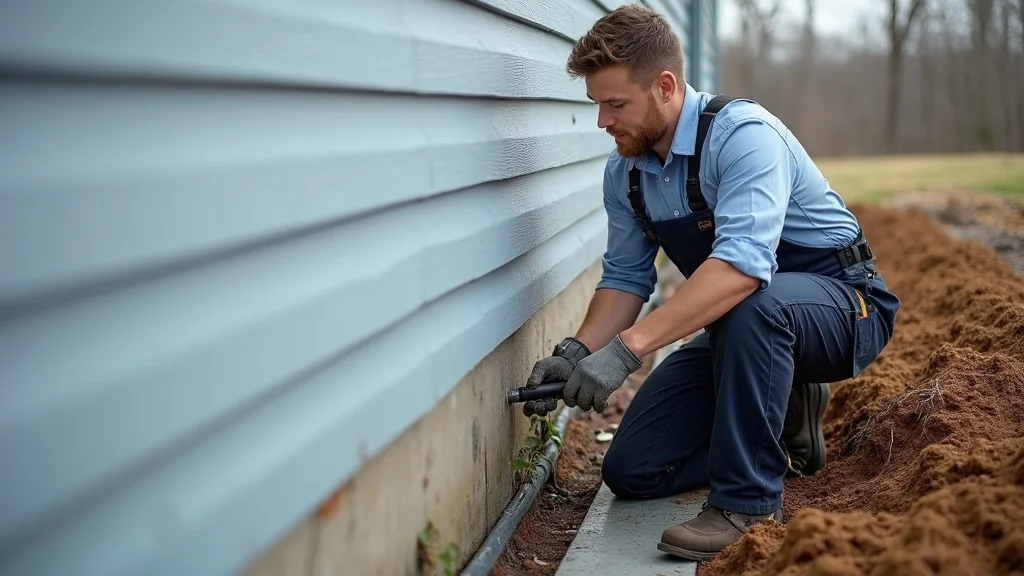
Professional foundation contractor installing waterproof membrane at Northern Kentucky home

Partnering With Concrete Contractors and Structural Engineers

  • Ensuring comprehensive foundation service
  • Expertise in both greater Cincinnati and northern Kentucky

True lasting results in foundation repair often require collaboration between several skilled trades. Partnering with expert concrete contractors and certified structural engineers means every aspect of the job is handled professionally—from ground assessment to the finishing touches. These professionals combine technical knowledge with practical solutions—ensuring your foundation is stable, waterproofed, and built to last in the face of Kentucky’s environmental tests.

For those living or building a new home in the greater Cincinnati and northern Kentucky areas, choosing teams familiar with both regions’ regulations and soil profiles is paramount. This guarantees regulatory compliance, long-lasting repairs, and a truly comprehensive foundation service you can trust for years to come.

Home Building Foundations in Northern Kentucky and Greater Cincinnati: Regional Insights

Comparison of Foundation Repair Techniques Used in Northern Kentucky vs. Greater Cincinnati
Technique Northern Kentucky Greater Cincinnati
Soil Stabilization Focus on clay-heavy soil management; frequent underpinning More gravel fill; targeted moisture barriers
Waterproofing Solutions Combination interior/exterior waterproofing and sump pumps Primarily exterior coatings and French drain systems
Crack Repair Methods Epoxy injections for seasonal shifting; routine inspections Polyurethane foams; periodic sealing and spot repair
Expert Involvement Foundation contractors coordinate with local structural engineers Integrated concrete contractors and city inspectors

Map comparing foundation types and soil zones in Northern Kentucky and Greater Cincinnati

What to Expect During a Free Inspection

  • Assessment steps by foundation contractors
  • Questions to ask during your inspection
  • How customer support guides you through the process

Booking a free inspection from a reputable foundation contractor in Northern Kentucky is both straightforward and valuable. During your appointment, the specialist will carry out a thorough assessment—inspecting for visible cracks, float level deviations, indoor humidity, and basement waterproofing concerns. They may use digital levels, moisture meters, and visual clues to diagnose both immediate problems and underlying risks.

As a homeowner, be ready to ask pointed questions: What sort of repairs do you recommend? How long will they take? Is this an urgent concern or a preventative one? Reliable contractors will provide clear answers and recommend an honest course of action, offering free quotes when repairs are needed. Throughout the process, professional customer support keeps you informed and guides your next steps—whether you're seeking only a foundation inspection or a bundled foundation repair and basement waterproofing solution.

Best Practices for Maintaining Home Building Foundations in Northern Kentucky

  1. Monitor for foundation settling and structural changes
  2. Schedule routine foundation repair evaluations
  3. Use basement waterproofing solutions
  4. Consult with a foundation contractor for recommendations

Establishing ongoing routines is the best way to secure the long-term health of your home's foundation. Monitoring visible and subtle signs of foundation settling—like uneven floors or short hairline cracks—should become second nature. Schedule routine foundation repair evaluations with certified professionals who understand the unique challenges facing foundations in northern Kentucky. Using advanced basement waterproofing solutions implemented by your contractor will mitigate future water damage and reduce ongoing risks.

Older couple with contractor reviewing foundation status at Northern Kentucky home

Regular consultations ensure you always have expert recommendations on maintaining a dry, solid home. Staying connected with professionals in the KY area ensures guidance is tailored to your property’s unique foundation service needs.

Watch our step-by-step walkthrough to see how experienced contractors inspect, repair cracks, and install waterproof membranes in a typical Northern Kentucky foundation—building lasting confidence and a stable foundation for your home.

Frequently Asked Questions About Home Building Foundations in Northern Kentucky

What causes foundation settling in northern Kentucky?

Foundation settling is most often caused by the region’s clay-heavy soils expanding and contracting due to moisture changes, dry spells, or extreme freeze-thaw cycles. Additionally, factors like improper drainage, plumbing leaks, or nearby construction can accelerate settling, requiring expert assessment from trusted foundation contractors.

How do I know if I need foundation repair or basement waterproofing?

Look for clear warning signs such as cracks in your basement floor or walls, uneven flooring, sticking doors/windows, or visible water seepage. If you notice any of these, schedule a free inspection with a local foundation contractor—they’ll help determine if targeted foundation repair or basement waterproofing is the best solution for your situation.

Should I hire a local foundation contractor or a national chain?

Local foundation contractors offer several advantages: they understand the specific soil and environmental factors in northern Kentucky, often provide quicker service, and deliver regionally tested solutions. National chains might be less familiar with these unique regional challenges. Whenever possible, prioritize companies with extensive experience in the KY area for reliable results and superior customer support.

How do weather and soil impact home building foundations in greater Cincinnati and northern Kentucky?

Weather extremes like heavy rainfall, drought, or freeze-thaw cycles cause shifting, expansion, or cracking in local clay soils—putting your foundation at risk. In both the greater Cincinnati and northern Kentucky regions, these stresses make it vital to rely on qualified foundation contractors for routine inspections, repairs, and waterproofing solutions tailored to your lot and local climate.

Key Takeaways: Home Building Foundations in Northern Kentucky

  • Prioritize routine inspections with qualified foundation contractors
  • Don’t delay foundation repair to ensure long-term security
  • Tailored solutions from foundation services ensure peace of mind
  • Partner with structural engineers for specialized needs

People Also Ask About Home Building Foundations in Northern Kentucky

What are the signs of foundation settling in northern Kentucky homes?

Answer: Common signs include uneven floors, cracks in walls or concrete, difficulty opening doors or windows, and noticeable shifting in your home’s structure. If you spot these signals, it’s time to contact a local foundation contractor or structural engineer for an assessment.

How important is basement waterproofing in northern Kentucky?

Answer: Basement waterproofing is critical in this region due to frequent moisture issues, which can accelerate foundation repair needs. Reliable foundation contractors recommend proactive waterproofing to protect your property and maintain value.

See firsthand how our customer support team makes the inspection and repair process seamless—guiding you through every step from your first call to the final walkthrough. Discover why homeowners in Northern Kentucky trust our support number and service guarantees for true peace of mind.

Get Peace of Mind for Your Home Building Foundations in Northern Kentucky

"Peace of mind comes from proactive care. Contact our team today for a free inspection and expert advice tailored to northern Kentucky homeowners." – Remodel Worx
Ready to Protect Your Home? Call us at 859-444-6680 or visit remodelworxky.com

General Contractor

0 Views

0 Comments

Write A Comment

*
*
Please complete the captcha to submit your comment.
Related Posts All Posts
02.16.2026

What is a General Contractor?

Did you know? Nearly 80% of large construction projects depend on general contractors for successful completion. The general contractor shapes the outcome and efficiency of nearly every major build you see—whether it’s a high-rise in an urban skyline or your neighbor’s new kitchen remodel. If you’re planning construction work, thinking of entering the construction industry, or simply want to understand who holds the reigns behind a bustling job site, uncovering the role of the general contractor is your essential first step. This guide breaks down definitions, duties, and key distinctions—arming you with the expert knowledge needed to navigate any construction project. Unveiling the Role of the General Contractor: A Statistical Perspective The term general contractor isn’t just another title in the construction industry—it’s an indispensable role responsible for overseeing every facet of a construction project from start to finish. According to recent construction news, around 80% of all major construction work runs through general contractors, highlighting their critical role in project delivery for both clients and the project team. Whether it’s a commercial general contractor managing a multi-million-dollar office tower or a residential general contractor facilitating a complex home remodel, these professionals act as the linchpin between property owners, subcontractors, suppliers, and regulatory agencies. What sets general contractors apart is their ability to coordinate massive teams, ensure compliance with local states’ licensing requirements, and deliver on time—all while troubleshooting unexpected challenges on the job site. In many states, regulations require general contractor licensing, ensuring each project meets definite standards of safety and quality. This guarantees that every construction project, from foundation to finishing, benefits from expert oversight. Stats reinforce this: projects managed by certified general contractors are more likely to hit deadlines, stay within budget, and experience fewer costly setbacks. This reliance highlights why property owners and construction companies often require general contractor oversight for any significant construction work. Surprising Facts About General Contractors Many states require general contractor licensing—even for small-scale residential work. A general contractor can be an individual or a business entity—sometimes a single person, other times an entire firm. General contractors not only manage the job site but also act as the main contact for all stakeholders—from property owners to the design team and subcontractors. "Nearly 80% of large construction projects depend on general contractors for successful completion." What You'll Learn About General Contractors The fundamental definition of a general contractor The differences between residential and commercial general contractors The licensing requirements and regulations for general contractors Key responsibilities and typical job site duties How general contractors manage construction work and subcontractors The step-by-step process of hiring a general contractor Insights into earning potential and business opportunities Defining a General Contractor: Core Responsibilities and Functions General Contractor: Meaning and Scope A general contractor is a construction professional or company hired by the property owner or project owner to oversee and manage all phases of a construction project. Their job is to ensure the project moves smoothly—from initial site visit and planning with the design team to managing construction work, budgets, schedules, and eventual project handover. The scope of work varies: some general contractors take on new commercial builds—acting as the central point for the project team—while others may focus on residential jobs like a home remodel or renovation. The meaning of a general contractor goes beyond project administration. They’re responsible for overseeing subcontractors (like plumbers, electricians, and carpenters), acquiring materials, securing permits, and ensuring the build follows local regulations. This central presence ensures every job site is well-coordinated. Importantly, most states require general contractor licensing, demonstrating technical know-how and compliance with safety and building codes. Whether for a massive commercial development or small-scale home upgrades, the general contractor leads the project from concept to completion. Typical Job Site Duties for General Contractors Every day on the job site, general contractors wear many hats. Their routine involves more than just supervising construction work. Among their key responsibilities are leading team meetings, coordinating with the project owner and the design team, overseeing subcontractor schedules, and resolving unforeseen issues that can impact project delivery. They regularly conduct site visits to monitor progress and adherence to the project blueprint. Additionally, general contractors are tasked with managing budgets and ensuring compliance with legal requirements such as building permits and inspections. Their responsibilities don’t end with construction work—they’re answerable for safety protocols, quality control, and final walkthroughs with clients. In essence, general contractors direct all moving parts on the job site, ensuring every trade and supplier is synchronized for on-schedule, on-budget completion. General Contractors Versus Construction Managers While both general contractors and construction managers oversee construction projects, their roles differ significantly. A general contractor is typically hired once plans are finalized, and is contractually bound to deliver the project from start to finish. They may bid on jobs and assume legal responsibility for all work on the job site, hiring subcontractors and suppliers directly. On the other hand, construction managers are often engaged earlier, sometimes during the design stage. They act as consultants for the project owner, advising through the planning, design, and construction phases. While construction managers may not hire subcontractors directly, they manage coordination among the entire project team (including the general contractor), focusing on cost efficiency, quality, and schedule adherence. Understanding the distinction helps property owners choose the right professional for their specific construction work. "A general contractor is the orchestra conductor of your construction project, ensuring every note (task) is played on time and in harmony." Types of General Contractors: Commercial vs. Residential Commercial General Contractor: Key Areas of Focus Commercial general contractors specialize in managing large-scale projects such as office complexes, retail spaces, schools, hospitals, and industrial sites. Their expertise covers intricate planning, compliance with commercial codes, coordination with architects, and working with corporate project owners and stakeholders. The scale of these projects demands advanced project management skills, technical construction knowledge, and the ability to oversee multiple crews and suppliers on a single job site. Commercial projects often involve tight timelines, higher budgets, and a greater level of regulatory scrutiny. These specialists are well-versed in complex schedules and logistical challenges, allowing them to deliver multi-phase construction work efficiently. Many commercial general contractors also maintain in-house design teams or preferred business partners, ensuring seamless communication and minimizing errors. Given the scale, states require many additional licensing requirements for commercial contractor work, adding an additional level of assurance for the project owner. Residential General Contractor: Managing Home Construction Work Residential general contractors focus on projects like new home builds, remodels, additions, and sometimes smaller repairs. Their typical job site is someone’s private home or a small multifamily building. These contractors are highly skilled in managing multiple trades and construction activities that directly impact a property owner’s everyday life. From helping select materials to working closely with homeowners and inspectors, residential general contractors ensure every step satisfies the client’s needs and meets local building codes. A residential general contractor is especially valuable for those undertaking a home remodel or custom build for the first time. They handle project scheduling, obtain permits, coordinate the work of various subcontractors (like electricians or plumbers), and communicate changes or issues with the property owner throughout the process. This person or team becomes the client’s main contact, guiding the project from initial planning through move-in. For many states, licensing requirements for residential contractors are specific, requiring background checks, exams, and proof of insurance to protect the homeowner. The Path to Becoming a General Contractor General Contractor License: Overview and Importance Obtaining a general contractor license is essential in most states and is often a legal prerequisite for anyone wishing to oversee construction work as a business. The license demonstrates a contractor’s technical competency, knowledge of local building codes, and a commitment to operating ethically. In the construction industry, holding a license not only legitimizes one’s business but also inspires confidence in potential clients and business partners. Many states require general contractors to pass exams, verify work experience, and provide proof of insurance before issuance. The process for getting a general contractor license can vary. In some regions, applicants must show proof of experience overseeing projects of a certain value or complexity. In others, licenses are classified based on the type of work (residential, commercial, or specialty trades). The bottom line? In almost every instance, a general contractor license is vital to perform contractor work legally and to assure project owners of reliability and professionalism. Licensing Requirements Across Different States Licensing requirements for general contractors differ widely across the U. S. Some states require general contractor licenses for both residential and commercial projects, while others mandate separate classifications. For example, California and Florida have robust exams and background checks, while Texas leaves licensing largely up to local municipalities. It’s crucial for project owners to verify that any general contractor they hire meets state and municipal regulations. Hiring a licensed general contractor protects the project by ensuring they understand vital safety standards, labor laws, and insurance requirements. Many states also require continuing education or renewal of licenses, so consumers can be confident contractors stay up to date with construction news and methods. Comparison of Licensing Requirements by State State Residential License Required? Commercial License Required? Exam Insurance Proof California Yes Yes Yes Yes Texas Varies by city Varies by city Varies Usually New York Yes (in NYC) Yes (in NYC) Yes Yes Florida Yes Yes Yes Yes Ohio No Yes Yes (commercial only) Yes Key Skills and Qualities of Successful General Contractors Project management expertise Strong communication skills Technical construction knowledge Problem-solving abilities To excel as a general contractor, one must demonstrate remarkable project management expertise—balancing scheduling, budgeting, and people management simultaneously. Communication skills are indispensable: every job site involves daily interaction with the project team, design professionals, property owners, and municipal inspectors. Additionally, technical construction knowledge enables the contractor to spot potential issues, recommend solutions, and adapt quickly as work progresses. Lastly, general contractors need outstanding problem-solving abilities. Construction projects rarely go exactly as planned; weather events, supply chain delays, and on-the-fly design changes all require calm, strategic responses. This leads successful general contractors to be both proactive planners and reactive troubleshooters—traits highly valued in the construction industry and by every project owner. Managing a Construction Work Site: General Contractor Approach Coordinating Subcontractors and Suppliers On an active job site, a general contractor's core strength lies in coordinating subcontractors and suppliers. They orchestrate a well-timed schedule—making sure plumbers, electricians, and carpenters don’t overlap or stall progress. Supplier relationships are just as critical; delays in material delivery can impact project delivery for weeks. General contractors must leverage experience and negotiation to ensure every component arrives on time and every trade is ready for the next stage of work. Successful general contractors foster robust communication and teamwork among diverse groups—turning many moving pieces into a synchronized construction symphony. When issues arise, from missing supplies to conflicting schedules, it’s the contractor who finds solutions quickly and keeps the job site running smoothly. This is one reason why both residential and commercial projects almost always rely on their centralized oversight. Ensuring Safety and Quality on the Job Site Safety and quality go hand-in-hand with a general contractor’s daily responsibilities. Every job site must comply with rigorous safety regulations to protect workers, visitors, and future occupants. This means regular inspections, mandatory safety meetings, and enforcing the use of personal protective equipment (PPE). A reputable general contractor will also ensure that subcontractors fully adhere to these safety measures, minimizing liability and boosting overall efficiency. Beyond safety, quality assurance starts with detailed planning and is maintained through vigilant site inspections and punch lists. The general contractor is ultimately responsible for the finished product—meaning any issues with workmanship or materials reflect on their reputation. By emphasizing quality at every stage, contractors ensure client satisfaction and reduce the risk of costly callbacks after project completion. Hiring a General Contractor: Step-by-Step Guide Researching local general contractors Evaluating credentials and contractor licenses Conducting interviews and comparing bids Verifying insurance and compliance Hiring the right general contractor is a process that combines diligent research and clear communication. Start by seeking recommendations from friends or colleagues, and using trusted directories to assemble a list of local general contractors. Review their credentials, focusing on valid licenses and insurance to ensure legal compliance—many states require general contractors to carry liability, workers’ compensation, and other forms of coverage. Arrange interviews with the most promising candidates, allowing you to discuss your project, assess their experience with similar work, and get a sense for their communication style. Always ask for references and recent job site photos, and follow up on both. Finally, compare bids—not only in terms of total cost, but also for clarity, scope, and contingencies. Choosing a contractor who is transparent about project delivery and willing to provide a detailed contract will protect you throughout construction work. Understanding Costs: How General Contractors Make Money Revenue Streams and Business Models A general contractor earns money through various revenue streams. Most commonly, they include a markup or management fee on top of the cost of labor and materials, which compensates them for administration, coordination, and risk management. Some may charge fixed fees or lump-sum contracts for the entire project from start to finish, while others use cost-plus models where the project owner pays direct costs plus a negotiated fee. General contractors may also provide specialized services such as design-build project delivery—combining architectural design and construction management under one contract. Additional income can come from self-performing certain trades or offering maintenance after project completion. The right business model depends on project size and complexity, but in all cases, transparency with clients about costs is a hallmark of reputation and success. "Transparency about project costs is one hallmark of a reputable general contractor." Pros and Cons: Being Your Own General Contractor Potential savings vs. increased risks Time investment and stress levels Quality control considerations Some property owners consider acting as their own general contractor, hoping to save on management fees. If you have previous construction experience and time to invest, this approach can indeed cut costs. However, it comes with significant risks: without a professional contractor, you’ll need to juggle permits, hiring, scheduling, and troubleshooting yourself – and mistakes can be very expensive. Stress levels can skyrocket when unforeseen issues arise (as they almost always do on a job site), and quality control becomes your full responsibility. Missing out on established relationships with trusted subcontractors or misunderstanding local building codes can lead to delays, extra expenses, or even legal issues. For most, hiring a licensed general contractor protects both the investment and the peace of mind of a construction project from start to finish. People Also Ask About General Contractors What is the meaning of a general contractor? A general contractor is a licensed professional or company hired to manage all aspects of a construction project. They oversee job site coordination, subcontractor management, budgeting, scheduling, and ensure compliance with safety and building codes. Acting as the central figure on any construction work, they provide expertise from project start through to final delivery. Do general contractors make money? Yes, general contractors earn money through management fees, markups on materials and labor, and sometimes by self-performing construction work. Their income reflects the risk and complexity they shoulder on each project. Well-run companies can be highly profitable, especially when handling large commercial jobs or specialty project delivery models. What is the job of the contractor? The job of the contractor is to supervise and coordinate all phases of a building project. Tasks include hiring subcontractors, procuring materials, obtaining permits, scheduling work, administering safety protocols, and communicating progress to the project owner. Ultimate responsibility for the quality and timeliness of construction work rests with the general contractor. Is it worth it to be your own GC? Acting as your own general contractor may save on fees, but it significantly increases your workload and risk. Unless you have strong construction knowledge and available time, it’s generally advisable to hire a professional. Doing so can ensure your project meets code, stays on budget, and maintains high quality from start to finish. Overview of a general contractor's day: A short, engaging video following a general contractor managing a busy construction site, attending meetings, coordinating with team members and stakeholders, and overseeing project progress. Includes drone shots of site overview, time-lapse of building progress, and clips of subcontractor coordination. Frequently Asked Questions About General Contractors How long does it take to become a licensed general contractor? Typically 2-5 years, depending on state requirements and previous experience. Some states require documented work history, education, and passing a licensing exam. What insurance does a general contractor need? General contractors usually need general liability, workers’ compensation, and in many cases, builder’s risk and bonding insurance. State and project type dictate exact requirements. How do I find reputable general contractors near me? Start with referrals, check local directories, and verify credentials with state licensing agencies. Online reviews and recent job site photos can also confirm quality and reliability. Are commercial general contractors more qualified than residential general contractors? Commercial general contractors often handle larger, more complex jobs with greater regulatory hurdles, but both types must meet licensing requirements. The right choice depends on your project’s scope. Key Takeaways: What is a General Contractor General contractors oversee diverse construction projects, serving both commercial and residential sectors. Licensing requirements vary by location but are critical for legal compliance. Strong management skills, attention to safety, and transparent communication are essential. Explore Your Next Steps with a Trusted General Contractor Ready to start your next project? Call us at 859-444-6680 or visit remodelworxky. com for expert general contractor guidance. "Ready to start your next project? Call us at 859-444-6680 or visit remodelworxky.com for expert general contractor guidance."

Terms of Service

Privacy Policy

Core Modal Title

Sorry, no results found

You Might Find These Articles Interesting

T
Please Check Your Email
We Will Be Following Up Shortly
*
*
*