



Did you know that over 65% of homeowners feel overwhelmed when moving from floor plans to a move-in ready new custom home? If you’re experiencing stress, confusion, or second thoughts about your home plans, you are not alone—transitioning from design concepts to a tangible dream home can challenge even the most prepared families. But rest assured: this comprehensive guide arms you with the insights, steps, and resources you need to bring your vision to life confidently.
Why Building a New Custom Home from Floor Plans Can Feel Overwhelming
"According to a recent survey, over 65% of homeowners feel overwhelmed when navigating the transition from floor plans to move-in ready custom homes."
Building a new custom home from floor plans isn’t just a matter of picking a design and waiting for your keys. It involves a maze of decisions that affect every corner of your future home—from plan styles and house design features to permits, budget, and the timeline for home building. Homeowners are asked to weigh technical details, balance their dreams with real-life limitations, and predict their needs for years into the future. Whether it’s understanding the difference between a foundation plan and a roof plan, interpreting builders’ blueprints, or choosing the perfect house plan style, the pressure can be enormous. Add on the variety of options for home plans, the challenge of finding trustworthy experts, and the risk of costly mistakes, and it’s no wonder that many find themselves stuck or second-guessing.
Even with the rise of plans online and customizable home plan options, many people still struggle to translate their vision into reality. The process can be emotionally taxing and time-consuming, as every decision, from custom features to layout changes, has a domino effect on comfort, budget, and future value. Without a clear road map and the right guidance, your dream home project can start to feel more like a burden. This guide is designed to simplify that journey, offering expert-backed advice to help you move from ideas on paper to the doorstep of your completed new custom home.

What You’ll Learn About Creating a New Custom Home from Floor Plans
Essential steps to turn floor plan concepts into your dream home
How to choose the best house plan and home design
The differences between house plans, floor plans, and home plans
Keys to working with the most reputable home builders and designers
Answers to common home building and design FAQs
Understanding the Basics: Floor Plans, House Plans, and Home Plans Explained
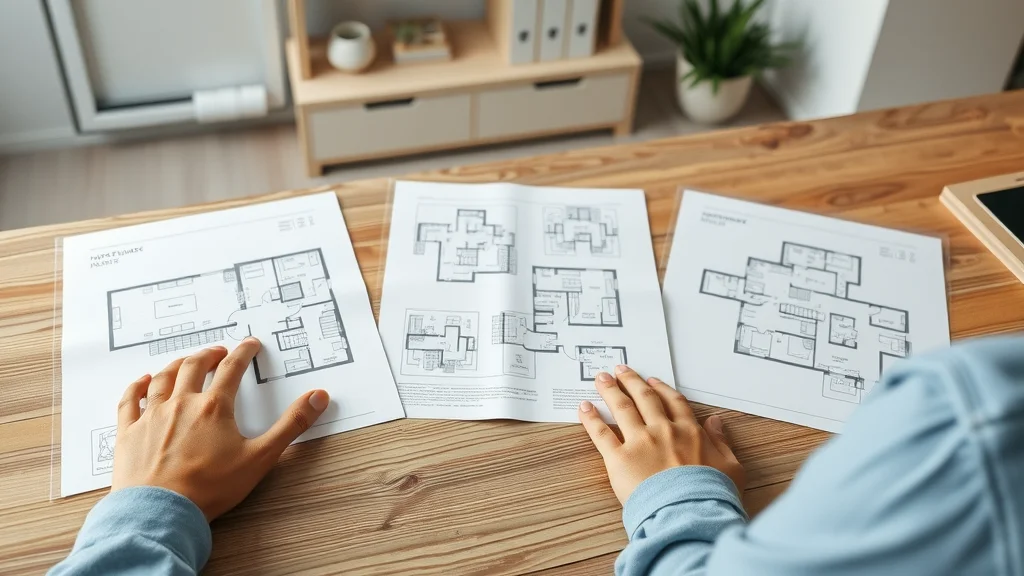
Before starting your new custom home from floor plans, understanding the difference between floor plans, house plans, and home plans is crucial. A floor plan is typically a to-scale illustration designed to show the room layout, wall arrangement, and flow of a single building level. House plans expand on this by including architectural details, elevations, roof plans, foundation plans, and structural features, ensuring your builder understands exactly how to construct your dream home. Home plans, on the other hand, often encompass a broader package that covers everything from design concepts and material lists to mechanical layouts, sometimes including landscaping or interior design recommendations.
This distinction is vital because each plan type plays a unique role in creating your future space. While floor plans focus on livability and movement, house plans translate those ideas into buildable instructions, and home plans tie everything together for the full home building journey. Choosing—and knowing how to read—each type of plan will not only speed up decision-making, but it’ll help prevent costly mistakes as your project progresses. The following table offers a clear side-by-side comparison of these core plan types to help you find the perfect starting point for your new custom home.
Plan Type |
Definition |
What’s Included |
Usage |
|---|---|---|---|
Floor Plan |
Scaled drawing of a home's layout, showing room arrangement and flow on one level |
Rooms, doors, windows, walls, basic measurements |
Choose layouts, plan furniture, visualize living space |
House Plan |
Construction-ready set of blueprints to build your home |
Floor plans, elevations, foundation plan, roof plan, material list |
Permits, contractor bidding, home building process |
Home Plan |
Comprehensive package covering design to finishing touches |
House plans, 3D renderings, interior details, landscaping, custom features |
Full-scope project management, custom home plan personalization |
The Step-by-Step Process: Bringing Your New Custom Home from Floor Plans to Life
Selecting a House Plan or Home Plan that Matches Your Lifestyle
The first step in transforming your floor plan dreams into a completed custom house plan is finding a design that truly fits your family’s needs. Start by considering how you currently live and what improvements are must-haves for your dream home. Do you need extra bedrooms for a growing family? Would a flexible workspace or open-concept kitchen add significant value to your daily routine? Carefully review plan styles—such as modern farmhouse, traditional home designs, or contemporary layouts—that reflect your aesthetic while meeting functional needs. Ensuring your home plan is “future-proof,” with room to grow and adapt, is one of the smartest decisions you can make for long-term satisfaction.
Explore online house plan platforms to investigate trending designs. Highlight features such as natural lighting, zoning considerations, and special spaces (like mudrooms, home offices, or expanded garages) that may be important for your lifestyle. Remember, while a perfect house plan starts with a strong floor plan, it must be adapted to your lot, orientation, and preferences. Consult reputable sources and use comparison tools to filter for square footage, style, and must-have amenities. Finally, always ask for professional input to avoid costly errors before moving forward.
Consider your family’s future growth, current and anticipated needs
Assess popular styles: modern farmhouse, traditional, contemporary
Working with Home Design Experts for Your Dream Home
"A good floor plan is the backbone of a perfect house plan, but experienced professionals ensure every detail fits your vision."
Partnering with skilled architects and designers is key to turning a basic home plan into a true dream home. While online platforms offer a starting point, only experienced home design experts can customize your house plan to match your unique vision. These professionals guide you through code compliance, energy efficiency, and maximizing resale value during your home building journey. Their expertise in blending aesthetics with functionality will result in a home plan that not only looks good on paper but feels right when constructed.
Investing in professional collaboration means you’ll benefit from deeper insight into local building codes, smart material selection, and the smooth integration of modern technology. Reputable experts also provide invaluable customer service, ensuring your questions are answered and changes can be made promptly. Look for professionals willing to explain the implications of every decision, from your foundation plan to your finishings, and don’t hesitate to request a portfolio to see examples of past home designs. Remember, a custom home isn’t just “built”—it’s thoughtfully crafted.

Evaluating Modern Floor Plans and House Designs Online
Searching for modern floor plans and house designs online has never been easier, thanks to a wide variety of reputable platforms offering thousands of home plan options. Use online house plan sites to filter by style, square footage, number of bedrooms, and even eco-friendly features. Carefully review the included details—some sites offer only basic floor plan layouts, while others provide comprehensive home plans ready for permits and construction. Before finalizing a plan purchase, double-check for region-specific compliance, such as building code requirements or environmental considerations.
However, not all plans online are equal. The biggest risks include outdated designs, incompatible locality codes, or missing technical drawings. Stick to trusted platforms with positive reviews and responsive customer service. Request or confirm a material list and foundation plan, and remember—what looks stunning as a 3D model must also be functional and compliant in real life. When in doubt, engage local architects and builders early to review your shortlisted plans and assess their practicality for your lot and lifestyle.
Leverage plans online tools for visualization, filtering, and plan comparison
Avoid risks by checking code compliance and completeness before a plan purchase
Common Pitfalls When Designing a New Custom Home from Floor Plans
Top Mistakes to Avoid When Choosing Home Plans
Ignoring local zoning regulations and building codes
Overlooking natural lighting in your house plan design
Failing to future-proof your dream home for changing needs
Even with clear visions, many homeowners fall into avoidable traps when shifting from floor plans to home building. Skipping the step of verifying zoning restrictions or neglecting mandatory regulations can halt your project in its tracks and lead to costly re-designs. Always work with your local planning office or a knowledgeable architect from the outset to ensure any house plan aligns with site-specific requirements.
Aesthetics are important, but so is functional light—rooms without adequate window placement quickly become dark and unwelcoming, impacting both energy usage and livability. When evaluating home plans, visualize the movement of daylight throughout your space and prioritize floor plans that maximize sunlight in living and kitchen areas. Lastly, avoid building only for the present; incorporate elements like adaptable rooms, universal design, or expandable garages to accommodate long-term changes within your custom house. Smart planning today saves costs and adds value for years to come.

How to Personalize Your Floor Plan for a Dream Home
Custom Features and Upgrades for Home Plans
Smart home technology integration
Energy-efficient design and appliances
Flexible spaces for remote work, hobbies, or multi-generational living
Personalizing your new custom home from floor plans is where your dreams become unique reality. The right upgrades add comfort, convenience, and elevate resale value. Today’s perfect house plans go beyond standard layouts, incorporating tech-savvy automation—think app-controlled lighting, security, and climate control. Energy efficiency should not be an afterthought: opt for well-insulated windows, advanced HVAC systems, and sustainable material choices to keep utility costs down.
With the shift toward remote work and versatile lifestyles, flexible spaces are more valuable than ever. Design your home plan to include adaptable rooms that can easily transition between a home office, workout studio, or private guest suite. Don’t be shy about asking your architect or builder about trending features—you might discover extra storage solutions, integrated pet zones, or zero-threshold entries for improved accessibility. Your dream home should genuinely reflect how you live today and will live tomorrow.

Choosing the Right Home Builder for Your New Custom Home from Floor Plans
Ask about their experience with similar home plans or house plan styles
Assess their customer service and willingness to communicate transparently
"Building a custom home isn’t just about floor plans—it’s about partnership, trust, and expertise."
Selecting a builder is among the most critical steps when moving from floor plans to reality. Look for professionals who have a robust track record with your style of home design—whether it’s a modern farmhouse or a complex multi-level custom house. Hold interviews, review portfolios, and always request references from recent customers to evaluate customer service quality.
Transparent communication is a hallmark of great builders. They should be ready to discuss project timelines, material sourcing, and how they handle plan changes or setbacks. Before you sign, clarify which services are included (permitting, material list sourcing, design modifications). Remember: the right builder acts as your advocate throughout the home building process—clear answers and reliability today set the tone for a successful, stress-free build.

People Also Ask About Building a New Custom Home from Floor Plans
What is the difference between a floor plan and a house plan?
A floor plan is a scaled drawing showing the layout of a home from above—it details room locations, walls, doors, and windows. A house plan is a full set of construction blueprints that includes all floor plans plus elevations, roof plans, foundation details, and often a material list. Essentially, a floor plan helps you visualize the living space, while a house plan guides builders to construct your new custom home safely and to code.
How do I choose the best floor plans for my needs?
Start by considering your household’s size, lifestyle, and future needs—do you need more bedrooms now or flexible spaces down the road? Use plans online filters to narrow by square footage, bedroom count, and special features like offices or mudrooms. Always factor in how natural light enters each space. It’s wise to engage architects and designers early to ensure your chosen floor plan adapts to your specific lot and local regulations.
How long does it take to build a new custom home from plans online?
Building a custom home from plans purchased online typically takes 8–18 months, depending on design complexity, local permit processes, and builder efficiency. Simpler one-story homes may be finished in less than a year; custom houses with luxury finishes or challenging sites may require a longer building journey. Always confirm with your builder for a tailored, realistic timeline.
Can I modify house designs before construction starts?
Absolutely. Most house plans can be customized to reflect your design preferences, accommodate special needs, or update finishes. Work with your architect or builder before construction begins to implement these changes, ensuring they remain code-compliant and feasible on your chosen site. Early modifications can save costs and align your project with your dream home vision.
What are the essential steps in home building after selecting a floor plan?
After selecting your floor plan, you’ll need to finalize detailed house plans (including structural, electrical, and mechanical layouts), secure permits, and develop a construction schedule. Next, work closely with your builder and design team to clarify upgrades, approve materials, and plan inspections. Each phase—from excavation and foundation work to framing, interior finishing, and final walk-throughs—requires organized oversight for a smooth path to your new custom home.
Clear Answers: FAQs on New Custom Home from Floor Plans
How much does it cost to design a new custom home from floor plans? Costs vary by region and complexity; expect schematic design fees of $3,000–$10,000 and total design costs ranging from $15,000 to $50,000+, not including land or construction. Online house plan purchases can be more affordable, but make sure all plan elements required by local authorities are included.
Do I need an architect for home plan customization? While stock plans can sometimes be used as-is, hiring an architect or home designer is advisable for significant plan changes, challenging sites, or integrating custom features—this ensures your new custom home is safe, stylish, and compliant.
What are the trending home designs this year? Modern farmhouse, open-concept layouts, energy-efficient homes, and spaces adaptable for remote work continue to lead home design trends. Homeowners are also choosing multi-generational layouts and seamless indoor-outdoor living.
Video Walkthrough: See a Modern Farmhouse Go from Floor Plan to Dream Home
Key Takeaways for Building a New Custom Home from Floor Plans
Start with a house plan that fits your lifestyle and future goals
Work with reputable home design professionals for peace of mind
Personalize and future-proof every aspect of your new custom home
Ready to Build Your Dream Home?
"Your journey from floor plan to dream home can be seamless with the right experts at your side."
CALL US TODAY FOR A FREE CONSULTATION: 859-444-6680 or visit https://remodelworxky.com
Take the first step toward your dream home—turn your floor plans into reality with professional guidance and expert craftsmanship.


Write A Comment